Feeds:
Posts
Comments

Archive for the ‘Kalamazoo late 1800s – early 1900s’ Category

I didn’t abandon Theresa or the Paake/Pake/Peek/Paak family. Here is George, Theresa’s father.

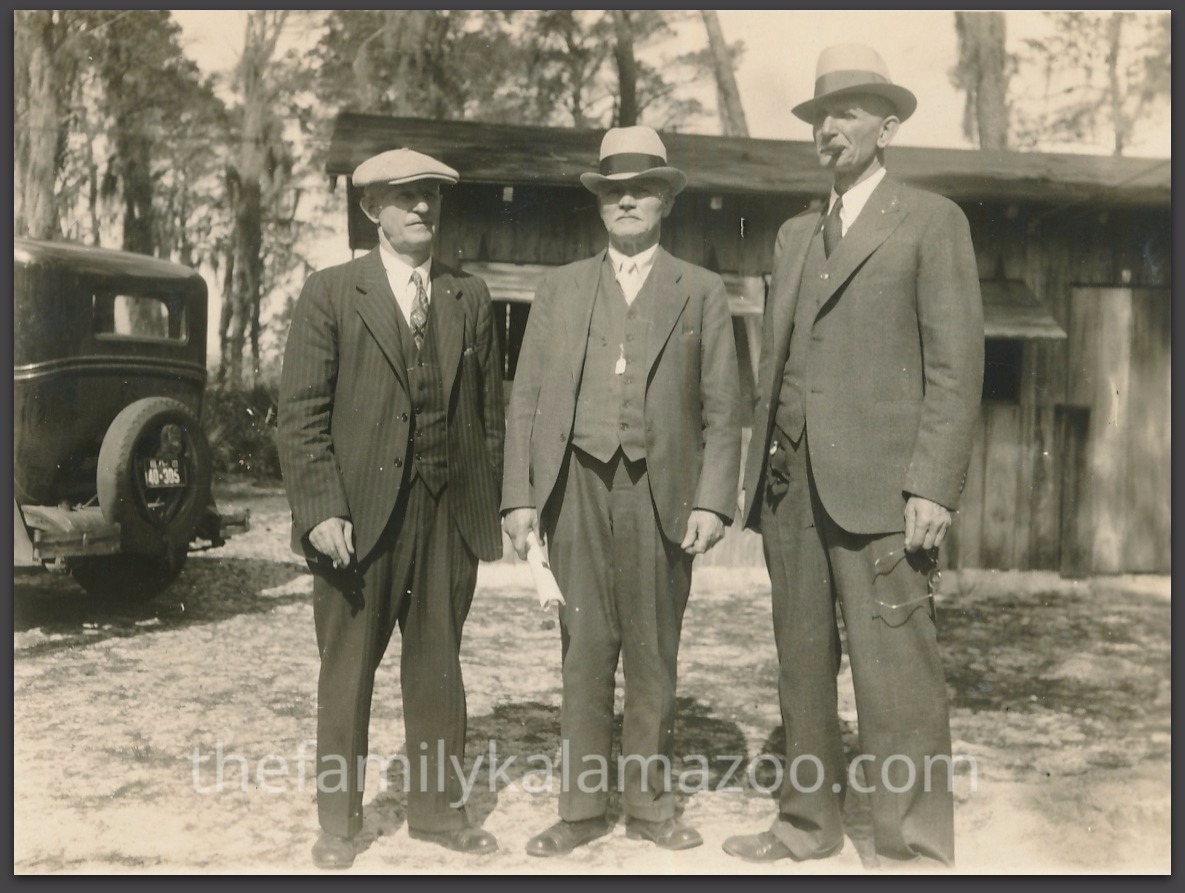
George Paake

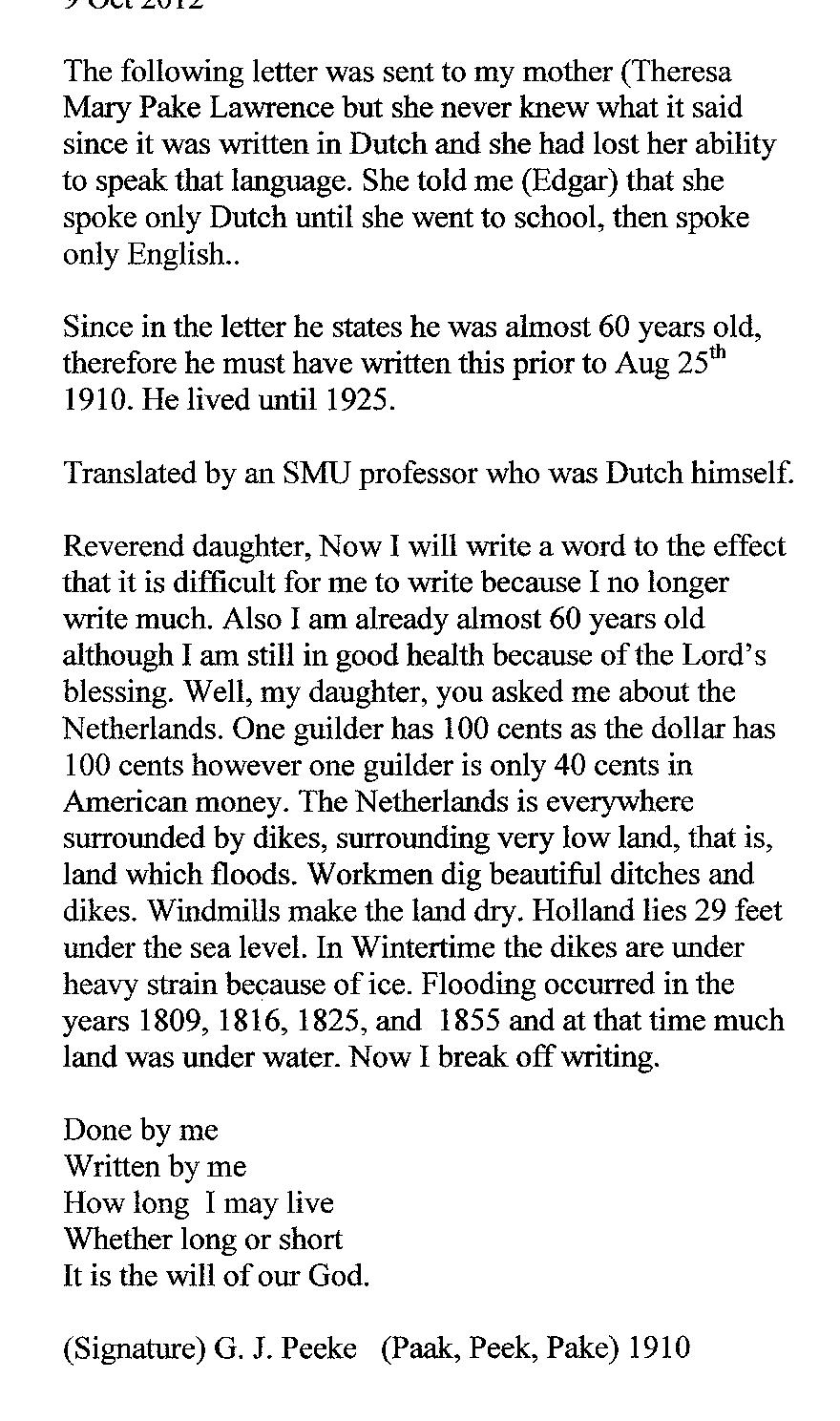
When Theresa was sixteen or seventeen, her father wrote her a letter. (Note that the spelling of the surname for George that I settled on is not one used further on in this post).

He wrote it in Dutch, but Theresa no longer could read or speak Dutch. Professor Lawrence introduces the translation he had prepared of the original letter:


The mention of the floods reminds me of a book I read when I was a child. The Little Ark, by Jan De Hartog, was the story of two children caught up in a horrific flood in Holland. I remember that the book seemed to be an adult book, although it was about children. It was very realistic, but like a good “adventure story,” it gave me confidence that if I were faced with a similar situation I could use my wits to survive.

Professor Van Zeitoff who translated for Professor Lawrence gave him the information to prepare this “glossary” for some of the first names, surnames, and geographical names associated with the family.


Most of my knowledge of The Netherlands comes from my early education and the books I read that romanticized Dutch culture. The book Hans Brinker, or The Silver Skates, by Mary Mapes Dodge, is one of those books. She was an American writer and at the time she wrote the book she had never even visited Holland. Part of the romance of the culture was the threat of flooding and the significance of the dikes.

What I want to know is why we never hear on the news about these Dutch floods? Is there technology today that prevents these floods from occurring?

A Series of Disasters

The Children After the Fire, 1902

Paak-a-boo

Saved from the Fire

Who is George Paake, Sr.?

Curious about George

George Paake’s Legacy, Part I

George Paake’s Legacy, Part II: Theresa’s Pre-Professional Education

George Paake’s Legacy, Part III: Theresa’s Professional Education


Read Full Post »

We will get back to Theresa Pake, but I am working on so many branches of the family. I can’t let the other leads I have lie there untracked. I need to follow them, too ;).

Let’s start to explore the wonderful scrapbook of the DeKorn-Culver family again (while not forgetting about Theresa or Jennie DeKorn Culver’s sister Mary DeKorn DeSmit’s family either). For more information on this story, see the related posts below.

To remind you, I had wondered what happened to one of the sisters of Richard DeKorn (my great-great-grandfather). Her name was Jennie, or perhaps Jennie Adrianna, and at some point she moved with her two daughters, Lela and Rhea, from Kalamazoo, Michigan, to Seattle, Washington.  She may have been divorced in Kalamazoo. A lot needs must be explored at this juncture because why would a woman with two daughters move so far away from home–especially in those days?

A reader in the northwest United States who happened to have a scrapbook that belonged to Jennie’s family contacted me. What a surprise! She was so kind to send me the scrapbook. When I finish making both .tif and .jpg copies of the photos I will send her a CD of the photos. My daughter did the preliminary work on the copying, but I need to do more and to “cut apart” the copies that were taken of multi-photo scrapbook pages. In other words, my daughter copied pages so as not to damage the book, but I want to copy the copies and then crop the photos so that they appear separately on the screen.

I wrote to Bayview Manor in Seattle to try to find out if this scrapbook belonged to Lela or Rhea Culver. This is the facility where the scrapbook was found. Unfortunately, I have not heard back from them.

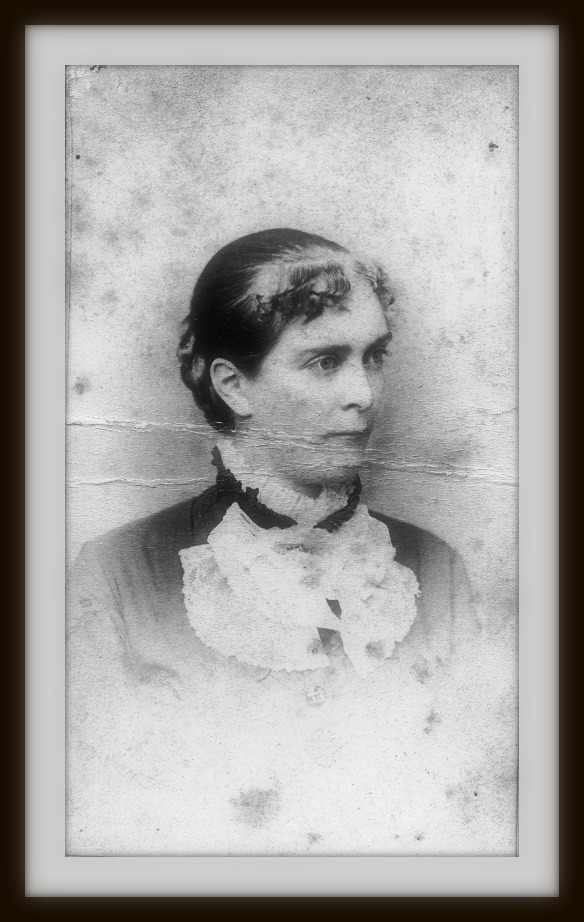
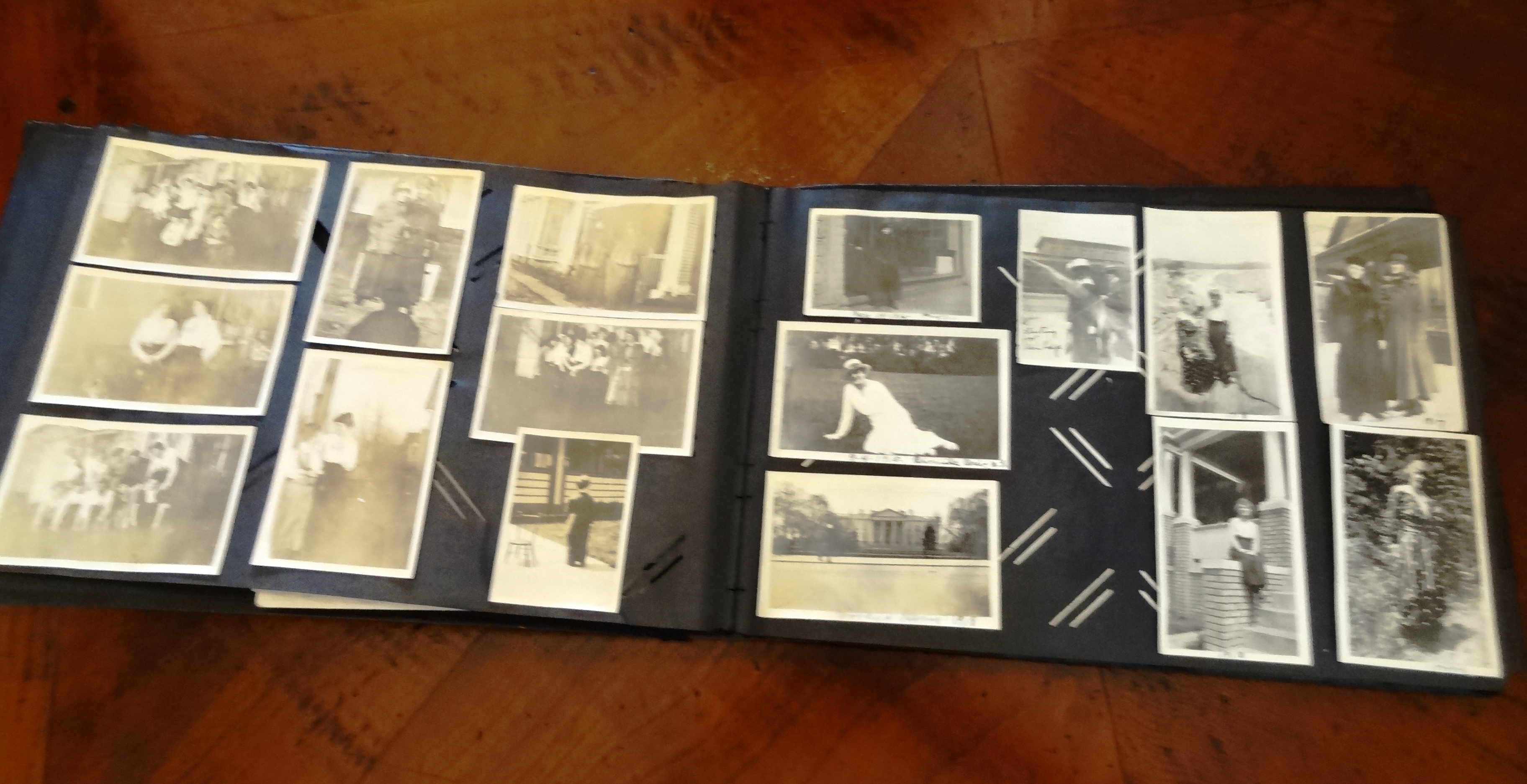
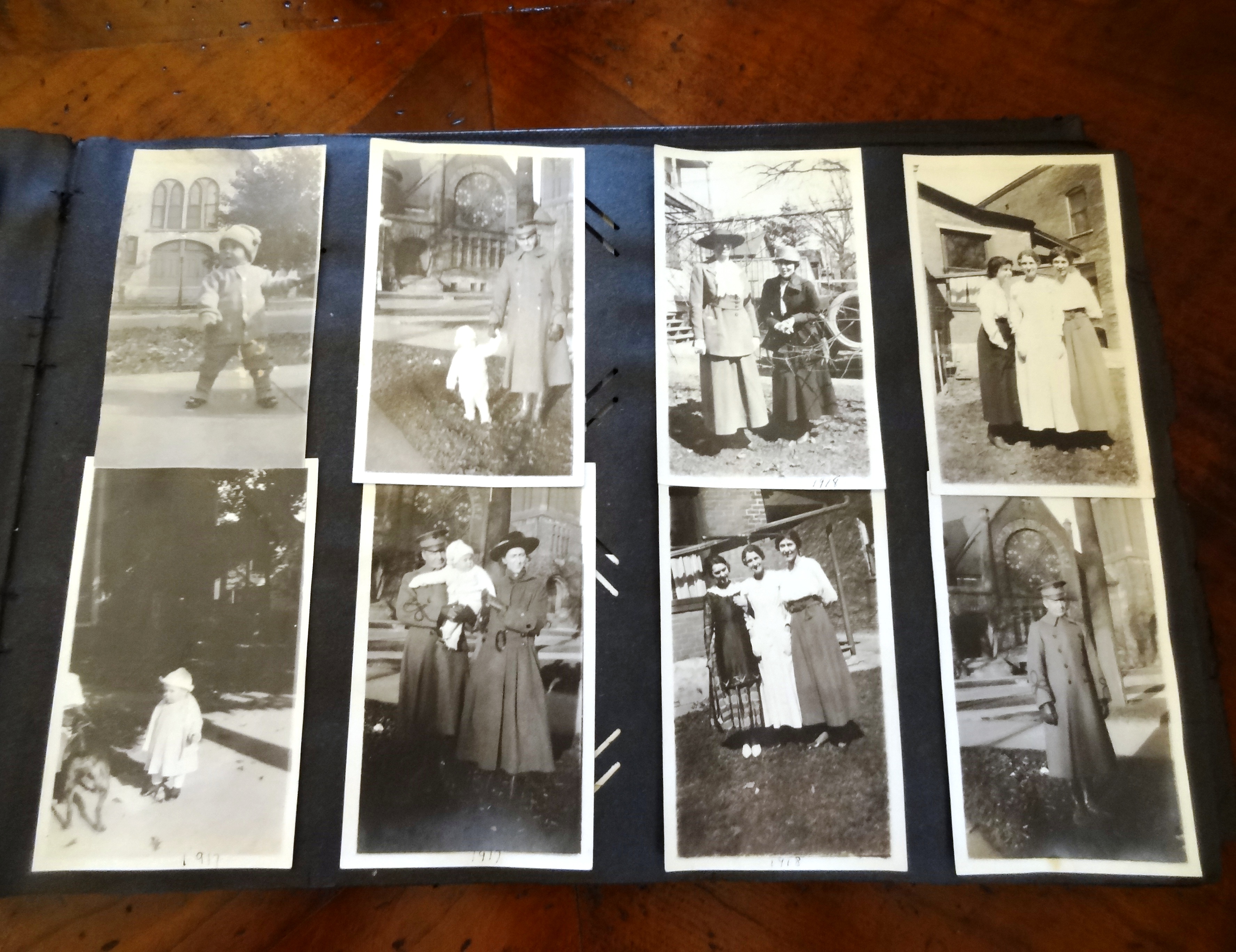
To begin to  identify these photos I need to start with what I know. I have a photo of Jenny when she was a young woman. And there is a photo in the scrapbook which I think looks strikingly like Jennie.  I want to see if you agree or if you think these are different women.

THIS IS JENNY DEKORN CULVER (1857-1947):

Jenny DeKorn Culver 1857-1947

Jenny DeKorn Culver
1857-1947


HERE IS THE WOMAN IN THE VELVET COAT. IS IT JENNY?


And is the coat velvet or fur? I am assuming it is velvet, although I did find a picture of a fur coat from around 1920 that had a similar look. However, the main reason I think it’s velvet is that it looks like velvet at the points where the fabric bends.

What do you make of the shadow at the bottom of the photo? Is the setting a garden or a lawn?

Read Full Post »

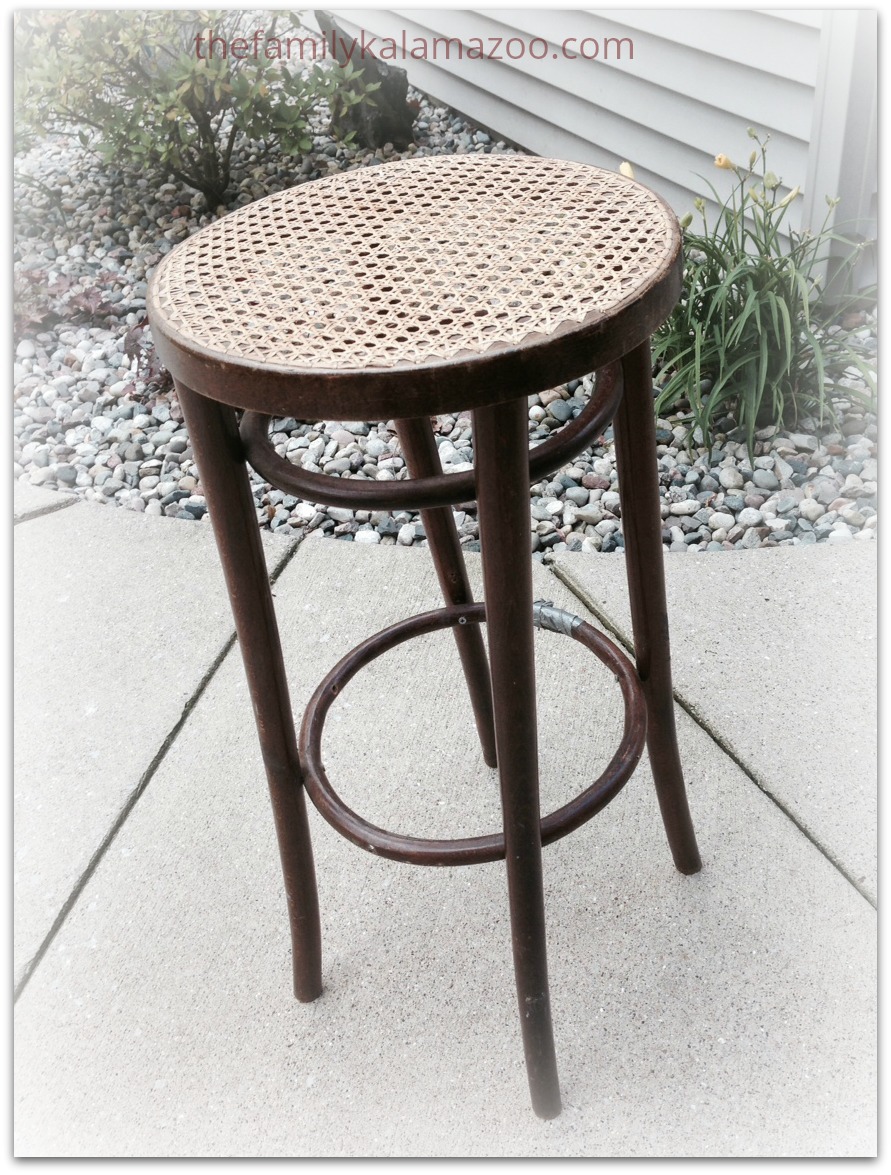
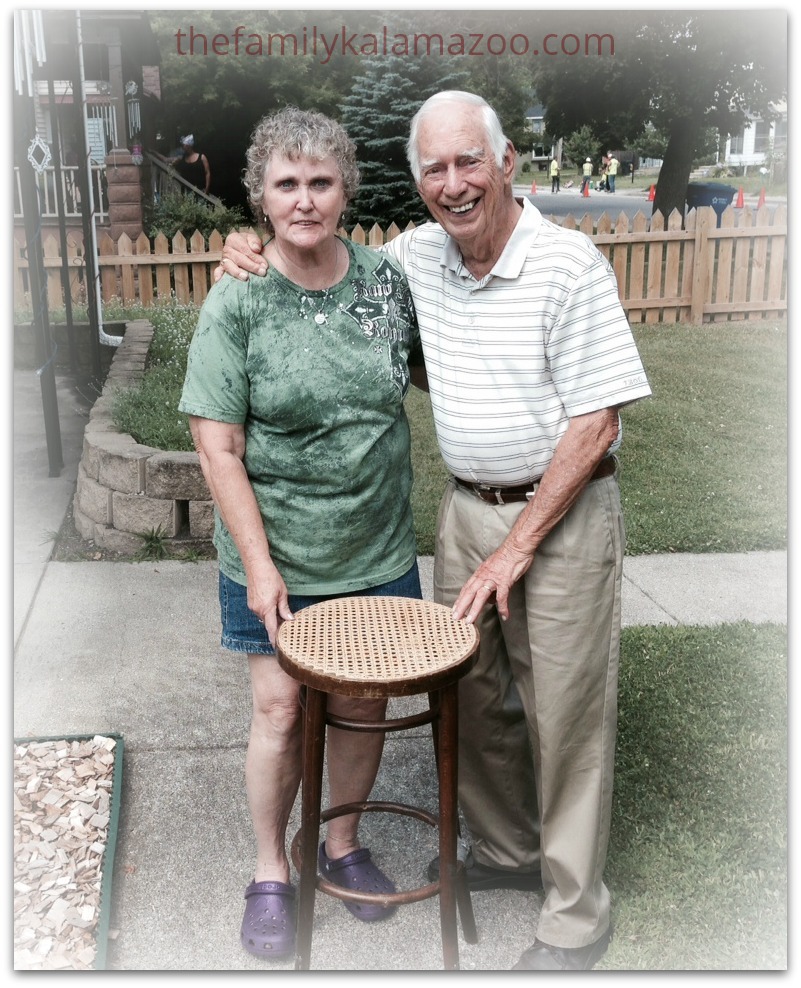
When my father ran Ramona Park, he used to sit on a ticket taker stool to admit dance patrons. He still had the stool until recently.


The other day, he gave it to Paula Taylor, who is writing a history of Ramona and Long Lake.


Update on why the Ramona/Long Lake photos say Vicksburg:

Maggie Snyder for Vicksburg Historical Society says this:

Vicksburg never included Ramona Park, which was at Long Lake. However, at that time Portage as a town was much smaller than Vicksburg, so it would have been the closest “big” town. Also, the Grand Rapids & Indiana Railroad had a flag stop at Ramona Park, and their closest depot was in Vicksburg.

On another note: here are a couple of online articles about Long Lake:

Long Lake: from sinking houses to sea serpents

Portage Couple Has Spent a Lifetime on Long Lake


More posts about Ramona:

The Park with a Literary Name
A Re-telling of Ramona: The Park with a Literary Name


Read Full Post »

When I was a kid my father used to bring me (and sometimes my friend, Jill, a reader of this blog) to Ramona Park. We explored and played while he worked–maintaining and refurbishing the pavilion, the grounds, and the shore of Long Lake that ran along the property.

I’ve written before about this park, located in Portage, Michigan here:

The Park with a Literary Name
A Re-telling of Ramona: The Park with a Literary Name

I remember trying to imagine what the pavilion, which was called Ramona Palace, was like back in its heyday, when people came to listen to live music and dance in the ballroom.

Notice that this old photograph locates the park in Vicksburg, but it is now Portage, Michigan. This is the ballroom as I remember it–big and empty.  The lake was just outside those windows.

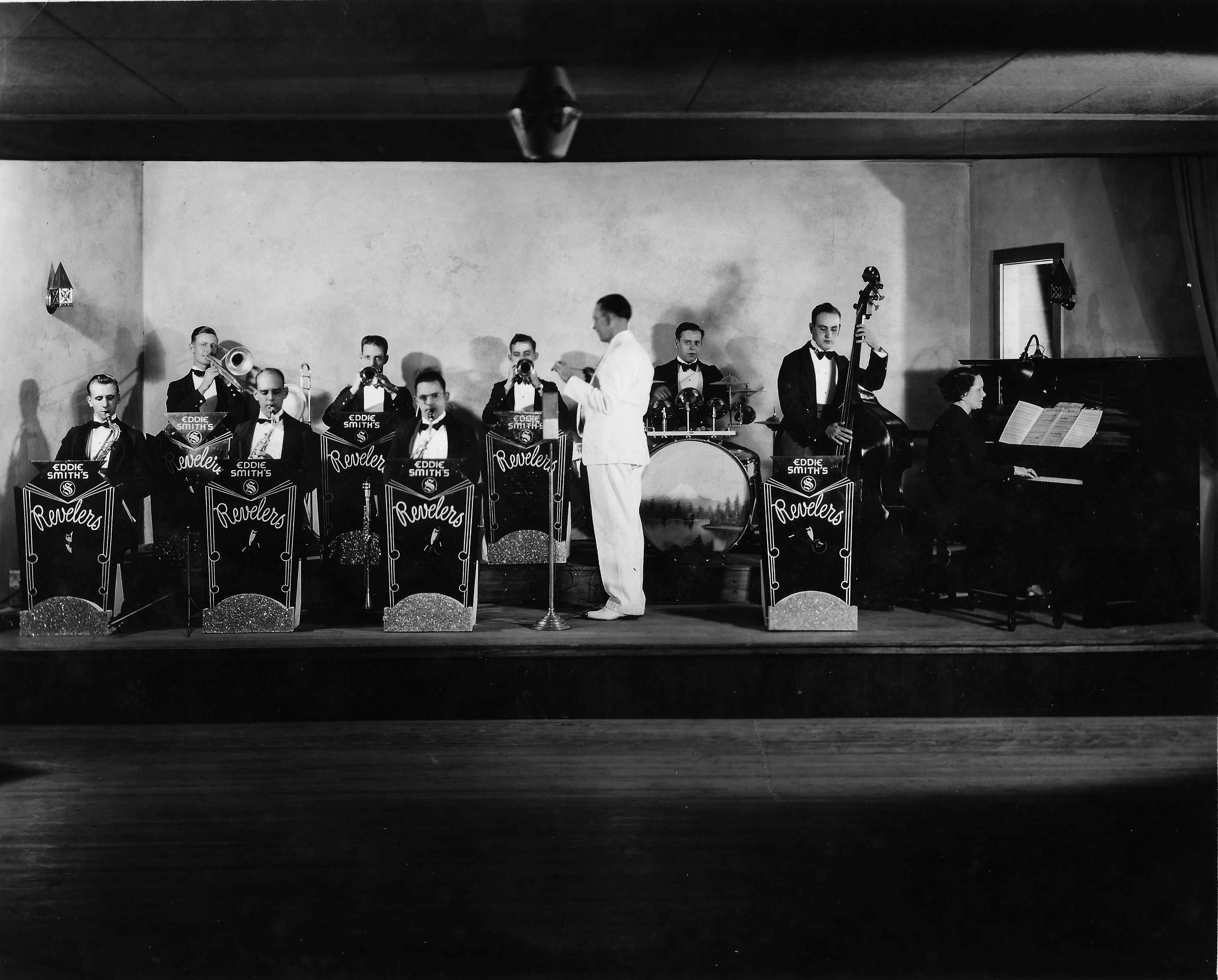
A while back I was contacted by Shawna (Smith) Raymond about those days. Her grandfather, Eddie Smith, and his Big Band used to play at Ramona Palace.

Eddie Smith and the Revelers courtesy of Shawna (Smith) Raymond

Eddie Smith and the Revelers
courtesy of Shawna (Smith) Raymond

Shawna passed on a story from her aunt about those days.

When Mom, whose name was Margene, would walk into the Ramona Palace ballroom where Dad was playing, he’d always stop whatever song they were playing and play ‘My Little Margie.’

Shawna’s aunt has a framed collage of the sheet music to “My Little Margie” and Shawna’s grandfather’s conducting baton. According to Wikipedia:

Margie“, also known as “My Little Margie“, is a 1920 popular song composed in collaboration by vaudeville performer and pianist Con Conrad and ragtime pianist J. Russel Robinson, a member of the Original Dixieland Jazz Band. Lyrics were written by Benny Davis, a vaudeville performer and songwriter. The song was introduced by the Original Dixieland Jazz Band in 1920 as Victor 78, 18717-A, in a medley paired with “Singin’ the Blues”. The B side was “Palesteena”.The Rega Dance Orchestra recorded the song in October, 1920 for Okeh Records, 4211. The ODJB recorded their instrumental version on December 1, 1920. The song was published in 1920 and was named after the five-year-old daughter of singer and songwriter Eddie Cantor. Cantor is credited with popularizing the song with his 1921 recording that stayed at the top of the pop charts for five weeks.

Here is a Benny Goodman version from 1938:


Read Full Post »

In Part II, I described Theresa Pake’s high school and college education, but although she was 25 years old and had had a great deal of education for a young woman of her time, she wasn’t satisfied.

Her next step was to attend nursing school at the Kalamazoo State Hospital. I’ve written here about how my great-great-grandfather Richard DeKorn built the historic landmark water tower at the state hospital.


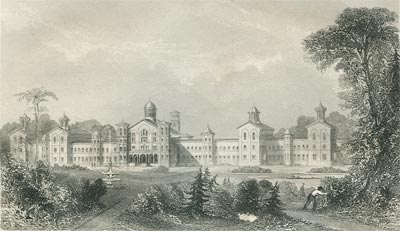
Here is an engraving of the hospital circa 1863:

Kalamazoo State Hospital

Kalamazoo State Hospital

The Michigan Asylum for the Insane was built in 1859, the water tower in 1895, and, in 1911, was renamed the Kalamazoo State Hospital. According to internet sources, nurse’s training was a pioneering program (perhaps started in 1906? I’m not certain), and Theresa would have been there during a vibrant period for the program. After Theresa left Asbury College, she began training as a nurse and graduated in 1925. On May 15, 1925, Theresa was registered by the state.

Notice the pin she wears in this graduation portrait. She actually received two pins. One says “Kalamazoo State Hospital” and the other has the initials KSTS for Kalamazoo State Nursing School.

Theresa Pake Graduate nursing school

Theresa Pake
Graduate nursing school

Here is Theresa with a classmate or coworker sitting outside the hospital. The caps they wear do not yet have the black stripe that is on Theresa’s graduation cap. Also, I wonder if the pinafore style uniform is an example of a student nurse costume.

And here Theresa sits alone:

Theresa’s career as a nurse meant that she worked hard her whole life. She was employed as a private duty nurse for many years. She also worked at Beloit Memorial Hospital in Wisconsin:


After graduating with a nursing degree, Theresa was free to begin her life with a career, quite a feat for a young woman in 1925.

A Series of Disasters

The Children After the Fire, 1902

Paak-a-boo

Saved from the Fire

Who is George Paake, Sr.?

Curious about George

George Paake’s Legacy, Part I

George Paake’s Legacy, Part II: Theresa’s Pre-Professional Education


Read Full Post »

In Part I, I introduced George’s middle child, Theresa Pake, who was born in 1893.


Professor Lawrence has put much effort into piecing together his mother’s educational history.

At some point Theresa lived with foster parents, Una Orline and Oliver Oratio Pickard.  Prof. Lawrence thinks she maybe have gone to live with them as early as age six, which would mean she wasn’t under the care of her older sister. However, the newspaper article about the fire in 1902 would show that she was still living at home at the time of the fire (nearly 8 years old). Regardless, at some point, the Pickards became the caregivers of Theresa. None of the other children in the family seem to have gone to live with the Pickards.

The Pickards sent Theresa to Jennings Seminary, a private Methodist school in Aurora, Illinois, from 1911 – 1913.  Here  is a link to the history of Jennings Seminary, but to give you an idea, it was a school for young ladies and once considered one of the finest private high schools in the middle west.

Jennings Seminary

Jennings Seminary

From there, Theresa went to Chicago Evangelistic Institute. After studying at CEI from 1913-1915, she graduated from the missionary course.
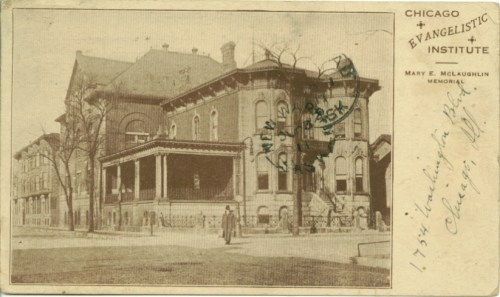
Theresa moved on to Western State Normal School’s High School Department.  She attended the program for at least the school year of 1916-17, participating in a play (where she played “mother-in-law”) and gave a speech advocating Republican Charles Evans Hughes (who was supported by Teddy Roosevelt) as the next President of the United States. She took classes such as anatomy, chemistry, French, and children’s literature.  Western was a teaching college, and the high school department was designed to not only give an excellent education to its students, but to provide a sort of student teaching experience for the college teaching students who planned to teach in high schools. Theresa graduated, at the age of 24, in June 1917 with 27 other graduates. At this time, it is possible that Theresa planned to become a teacher.

Here is a description in the yearbook about the high school program at the teaching college:

Here is Theresa’s yearbook photo. Note that in the above portrait, Theresa is not wearing glasses, but in the yearbook photograph she is wearing them. I think it’s likely she began to wear them in her early 20s.

In 1919, Theresa went to Wilmore, Kentucky, to attend Asbury College. At that time, Mrs. O. O. Pickard, at 1846 Oakland Drive, Kalamazoo, Michigan, was listed as her parent, so Theresa still was being educated under the guidance of the Pickards. Theresa had matriculated at age 25 with the intention of becoming a missionary. She attended Asbury for four semesters, from 1919-1921.

But Theresa’s education was far from over!

A Series of Disasters

The Children After the Fire, 1902

Paak-a-boo

Saved from the Fire

Who is George Paake, Sr.?

Curious about George

George Paake’s Legacy, Part I


Read Full Post »

In continuing the story of the Paake/Paak/Peek/Pake family, I will share with you what I’ve discovered about George’s family.

Today the subject is my first cousin 3x removed, daughter Theresa Pake, the mother of Professor Edgar Lawrence, the man who shared the photos and stories of this branch of my family.

Theresa was born Tracy Paak, on October 2, 1893, in Oshtemo, Michigan. Oshtemo is very close to Kalamazoo.


Although her birth certificate says her name was Tracy, and her siblings called her Tracy, Theresa always referred to herself as Theresa, so that is how I will refer to her.  Her parents were George and Lucy Paak (note that the birth certificate calls the mother Lizzie), who were both born in the Netherlands. Theresa’s mother died on May 28, 1900, when Theresa was only 6.5 years old. Theresa had two older sisters, one younger sister, and her brother George was the youngest of all the children.

According to the article about the fire that destroyed their residence in 1902, Cora, the oldest child, was taking care of the household and the children. That makes sense because she was fourteen, and the other children were far too young.  So at a very young age, Theresa had to go from living in a home nurtured by a mother to having a young teen sister “playing” mother to her and her siblings.

In this photo, Theresa is quite young. She is not yet wearing glasses. I took the liberty of altering the photo by using a sepia finish, as well as by adding a frame.

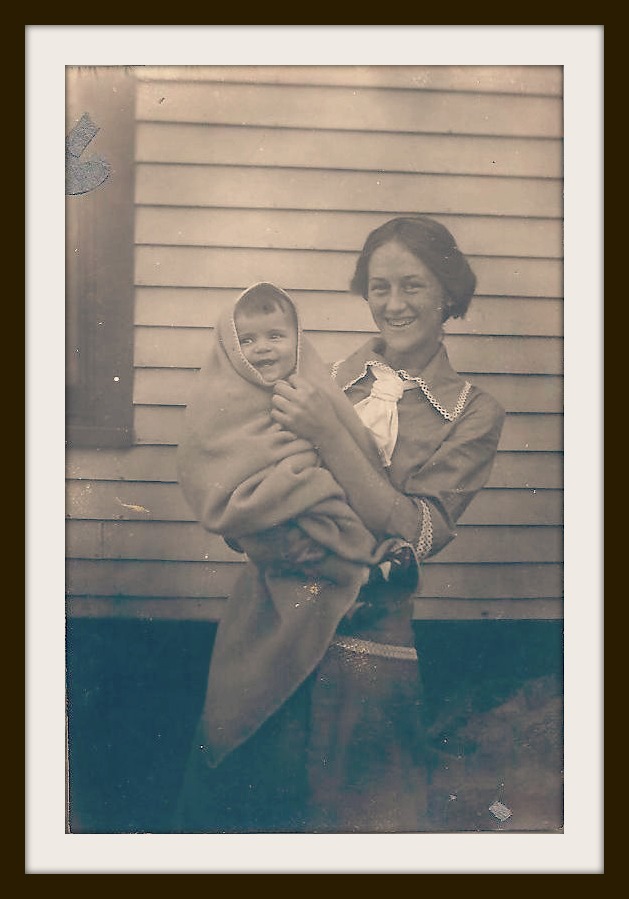
The following might be my favorite photograph of Theresa (also note that she is not wearing glasses). She looks so happy. She also looks like a girl who loves babies.  The photograph is from 1912.


For my next Paak post I plan to share photographs and information about Theresa’s education and career plans.

A Series of Disasters

The Children After the Fire, 1902

Paak-a-boo

Saved from the Fire

Who is George Paake, Sr.?

Curious about George


Read Full Post »
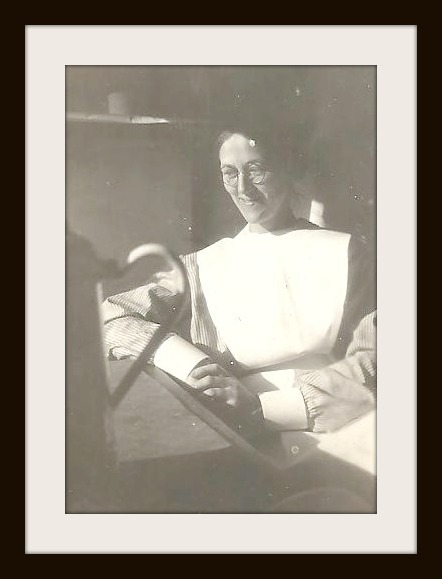
In January I published a post called A Sister and Her Family: How Can I Find Out More?. At the time I was wishing for more information on the family of my great-great-grandfather’s sister, Jennie DeKorn Culver, and her family. They had moved from Kalamazoo to Seattle, Washington, over a hundred years ago, but there the trail ran cold.

Readers were very generous with their suggestions, and as I delve more deeply into this branch I plan to act on more of them.

In the meantime, at the end of April the ideal person, a woman named Joyce, a complete stranger to me and to my family, read my blog post and commented. She had a photo album of family photos that belonged to one of the Culvers!

The story of how this album came into Joyce’s possession is a study in respect and appreciation for history and family. Joyce’s father worked at a retirement community with nursing facilities called Bayview Manor in Seattle. Joyce says, “When the residents left, what ever was left in their apartments was given or thrown away. The things thrown, my father liked to pick up, as a lot was still usable. This album was one of them.” Joyce has kept the album for thirty years.

And now she has given it to me for our family. What a kindness. My daughter plans to scan the photos, and I will get Joyce a copy of them. And I plan to post some of the photos over a few posts after they are scanned. They are absolutely beautiful.

Here is a sample:


Imagine how I felt when I pulled this album out of the shipping carton!

Many of the photos are loose.

But some are affixed. These will be harder to scan.

Look at their lovely outfits!
I have not yet discovered which Culver left the album at Bayview Manor, but Jennie’s daughter Rhea died in 1976, which is 38 years ago. I have not yet found sister Lela’s obituary, but she was still alive in 1964.

Thank you so much, Joyce, for this wonderful treasure. My family and I thank you for your great kindness and compassion.

Read Full Post »
I shared a couple of photographs of my artist mother-in-law the other day. They were from the 60s and early 70s and had turned yellow. I was very frustrated with the damage to the photos.


Paula Taylor saved the day by converting them to black and white photos. Here you can see the changes:

This slideshow requires JavaScript.

And here:


This slideshow requires JavaScript.

I’m really happy with them. Thanks, Paula!Enhanced by Zemanta

Read Full Post »

Let’s go back to George Paake/Paak/Peek/Pake today.

I mentioned that George was married at least three times–possibly as many as five times. It was pointed out to me that it would be very unlikely that George was married more than three times.

Take a look at the timeline:

George immigrated to the United States when he was ten or eighteen years old. I have conflicting sources on this. Either way, he married his first wife, Lucy Kliphouse, in Kalamazoo, on December 17, 1886, when he was 36 years old. The couple had five children, named after the grandparents. George was married to Lucy for fourteen years, when she passed away.

In 1902, at the time of the fire, George was a widower.

On April 15, 1906, George married Esther M. Cook. Adri van Gessel mentioned to me that by February 14, 1906,  the oldest daughter Cora (who, according to the newspaper article about the fire, was taking care of the household) was already married, so there was no one to take charge of the house. On Nov 21, 1907, Esther died of pneumonia.

On July 11, 1908 George was married to Addie Amelia Gifford (Wilder). Addie seems to have outlived George.

  • According to the 1910 Census, George (listed as Joseph G. Peake) was still married to Addie. He was listed with his wife Addie, his daughter Fanny, his son George, and Addie’s daughter Florence Wilder (from her previous marriage).
  • According to the 1920 Census, George (listed as George J. Pake) was still married to Addie. He was listed with his wife Addie, his son George, and Addie’s daughter Florance D. Wilder.

George died on December 9, 1925 after being married to Addie for seventeen years.

This photo of George (using the spelling Pake) and Addie and their family was taken not long before he passed away.


 ###

A Series of Disasters

The Children After the Fire, 1902

Paak-a-boo

Saved from the Fire


Read Full Post »

« Newer Posts - Older Posts »