Feeds:
Posts
Comments

Archive for the ‘Chicago history’ Category

My father’s mother used to love Christmas. She celebrated it on Christmas Eve, in the German tradition. Her favorite Christmas carol was “Silent Night,” also from the German tradition.

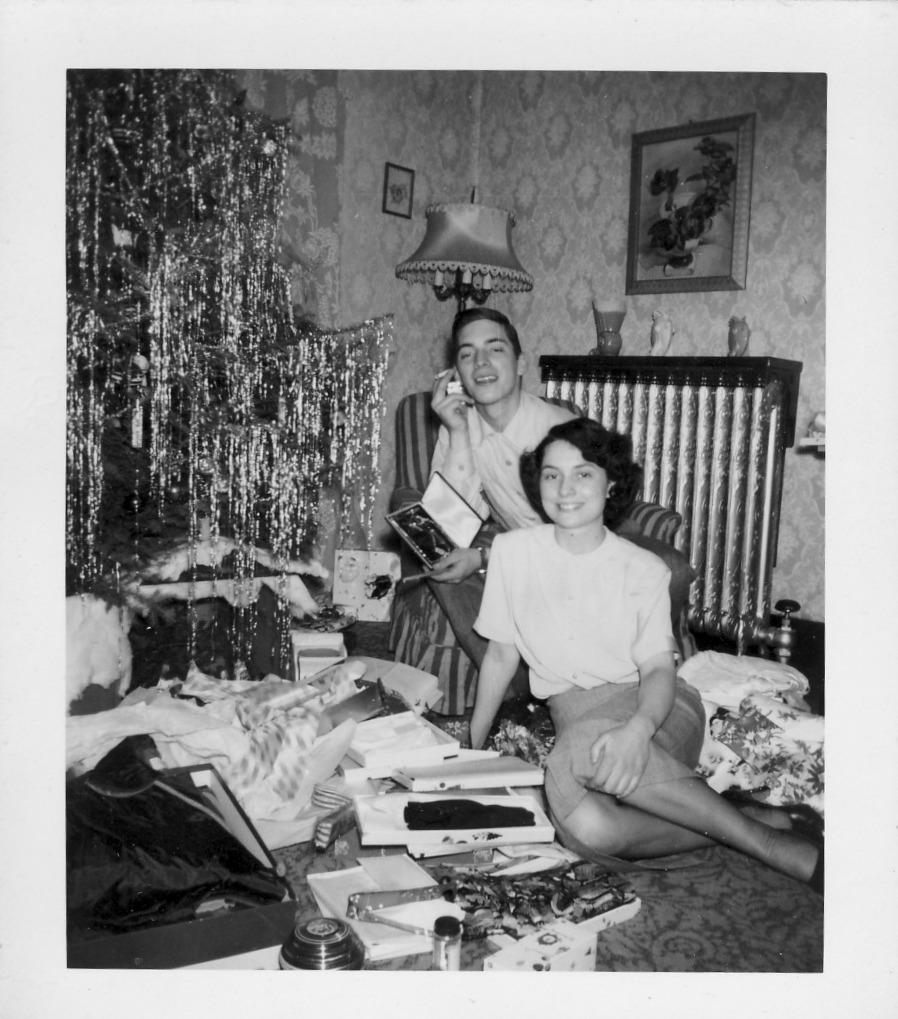
In this photo, Grandma sits with Aunt Marge.

And here Aunt Marge is with a silly young man. (Yup, that looks like Dad!)


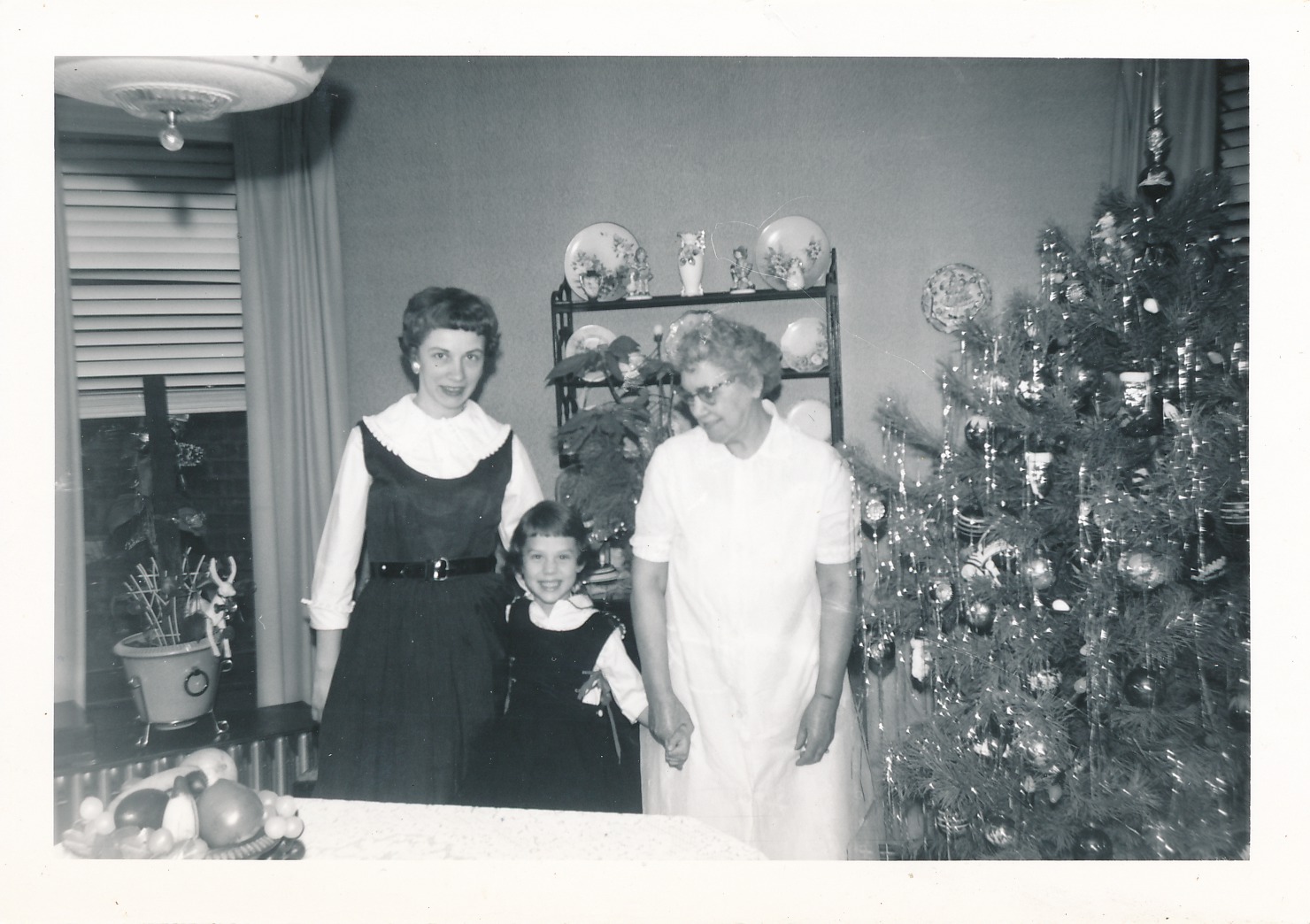
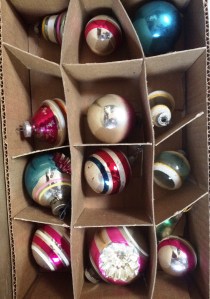
In Chicago, she kept a traditional Christmas tree (yes, also the German tradition) that she decorated with glass ornaments (mainly made in, wait for it, Germany) and strands of tinsel. In this photo, I must be around five and stand between Grandma and my mother.

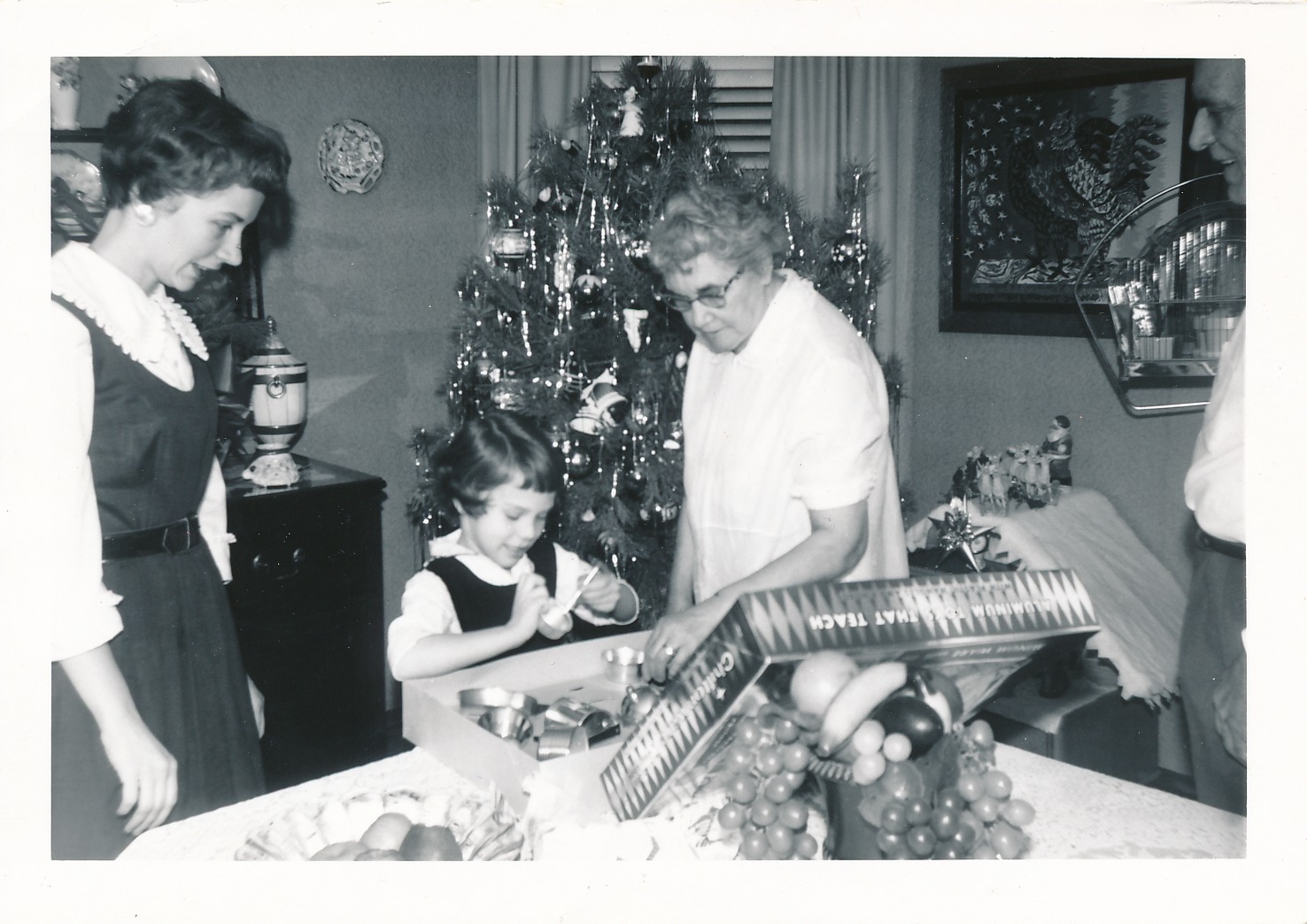
Look what I got from Grandma!


When I was still young, Grandma changed her tree to a silver aluminum that changed color when a light wheel shone different colors on the tree. She decorated it in all pink balls. That’s the tree I remember from her duplex in Michigan. I looked, but couldn’t find a photo of it.

Another German tradition Grandma continued was putting electric candles in the window. I wish you could see the candles in this pic, but they might have been in the kitchen window. This is the picture window in Grandma’s duplex. She has a wreath up, and the nativity scene with the gifts below. It looks as if she didn’t have a tree this year. Judging by this fabulous hair (Mom, you let me go out like this?!), I was in junior high.

I think she gave my parents at least some of her old ornaments.

Read Full Post »

I am not a car expert by any means. I hope I never have to identify a getaway car, for instance. I can give a description of details, but I can’t identify the make or year of a vehicle. My husband can. I am amazed sometimes at how he can tell me a year of a car when it sees it way down the street. But I am not asking him the questions I have because the answers lie in the early history of the American automobile–and I doubt he knows much about those first cars.

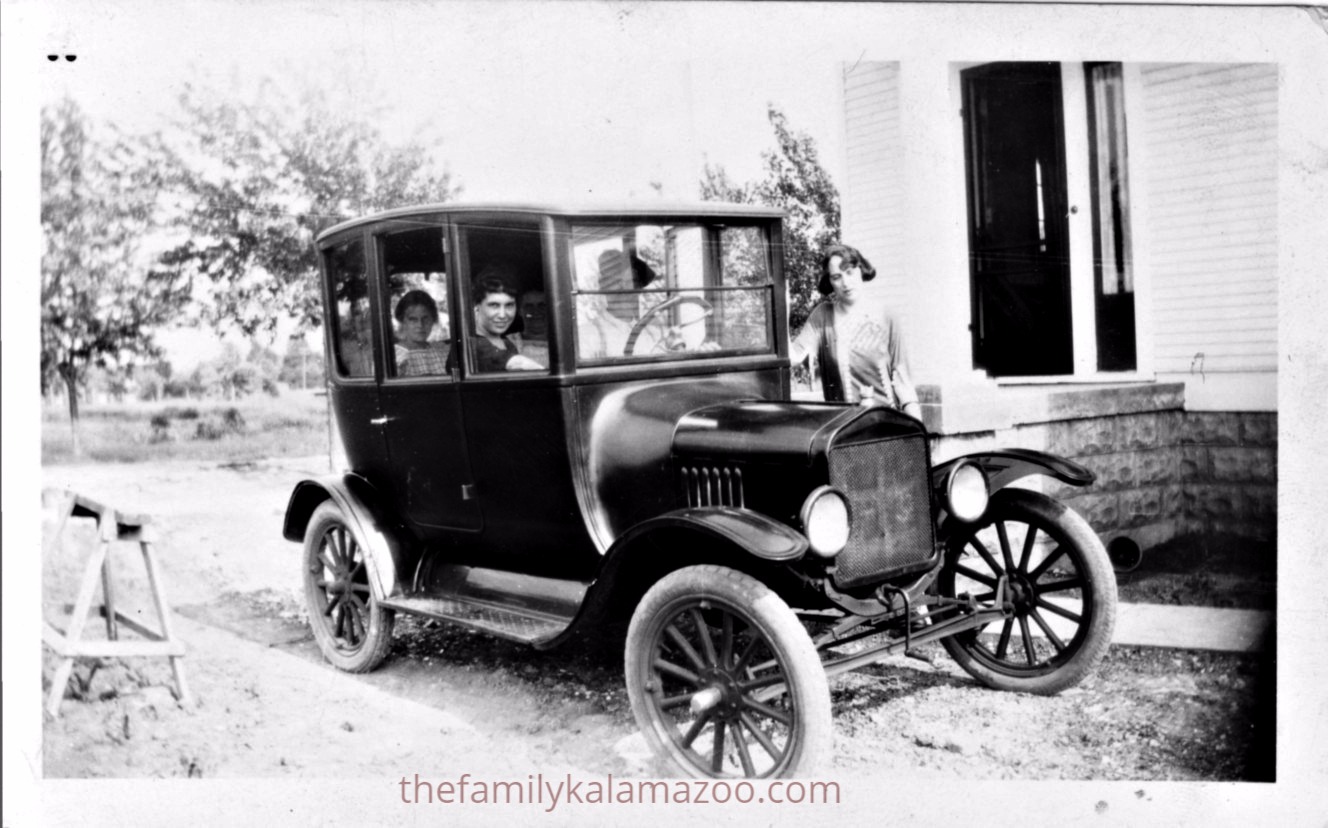
So I ask you: is this first one a Model T car? Or is it something else? And what year might it be? Sometime in the 20s, I believe.


The car is driven by my great-grandfather, Frank Klein. That’s my grandmother sitting shotgun. In the back is her sister Helen and her mother, my great-grandmother. Their house in Elmhurst, Illinois, is behind the car. That looks like a sawhorse on the left. I wonder what is underneath and why it’s there.

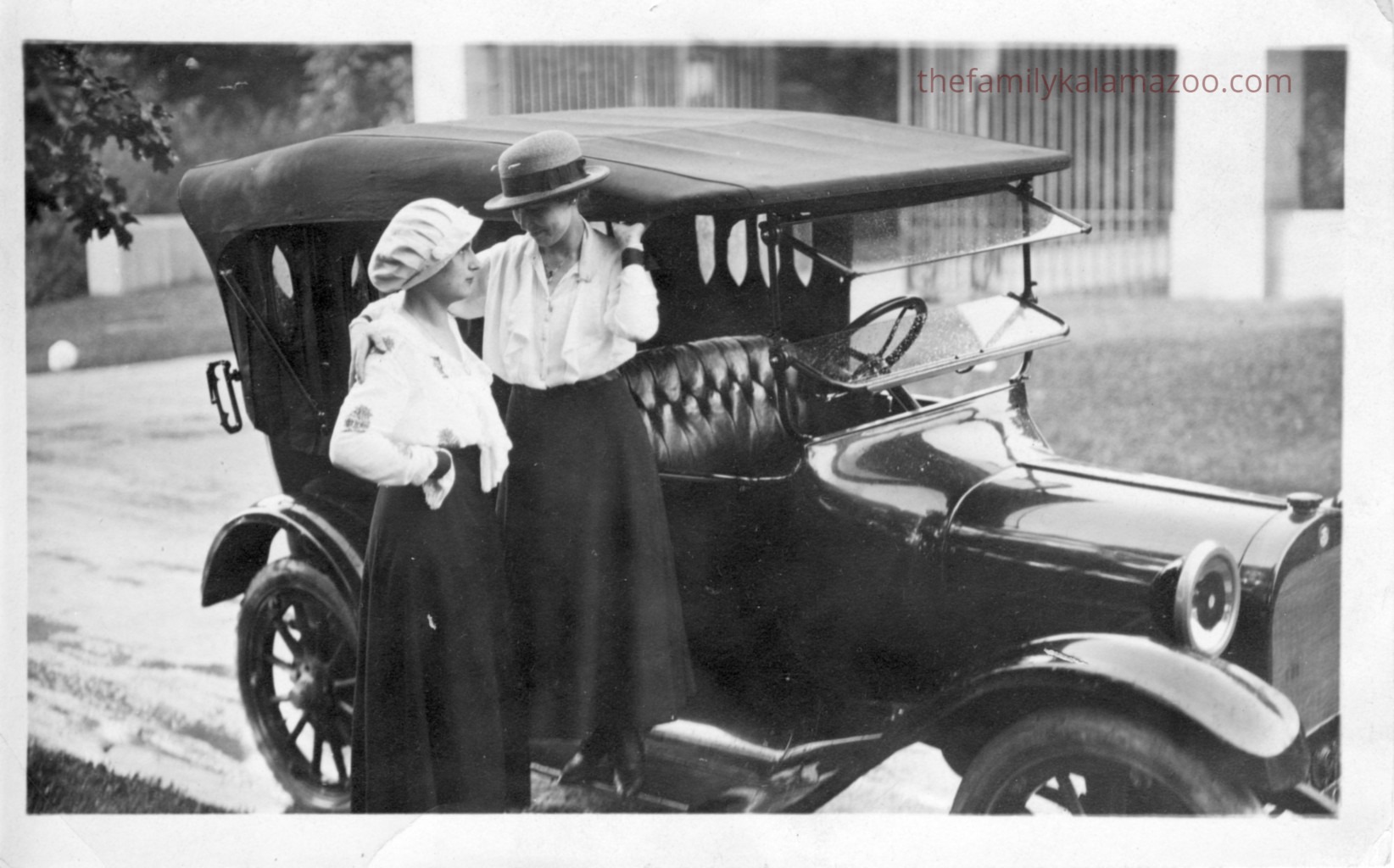
Here’s a photo of what I think is a different car. Notice the different roof, headlamps, etc. Do they both have the same double windshield? I can’t figure out the background/setting at all. I love these “motoring” outfits. What kind of car is this?Do you have old photos with cars in them? How did you determine what kind of car?


Read Full Post »

Although I’m in such a busy period that I can’t work on genealogy, I do have my daughter’s help right now to scan some old photos, so I will post some of them while I am too busy for research.

On the back of this photo it says Frank Tazelaar (near Whistle Stop).

Frank Tazelaar near Whistle Stop Kalamazoo

Frank Tazelaar
near Whistle Stop
Kalamazoo

So I looked up Frank Tazelaar on my family tree. Sure enough, he’s on there. He was born January 17, 1876 in the Netherlands, to Pieter Tazelaar and Adriana Bek. The family immigrated to the United States when he was 12, in 1888. On July 9, 1906, he married Genevieve Remine in Chicago. Genevieve was my first cousin 3x removed. Frank died in 1950.

So what is “Whistle Stop”? It’s the train station. But when I tried to figure out if it was the same Whistle Stop where my friends and I used to go to eat and drink (and a building that my father owned) or if it was the other train depot (where we owned a concession stand with my father), I discovered that there were actually seven train stations in Kalamazoo. Here is a fascinating article that says that Kalamazoo may have had more train depots than any other city. I am going to tentatively assume that this photo was taken near what I knew as the Whistle Stop.

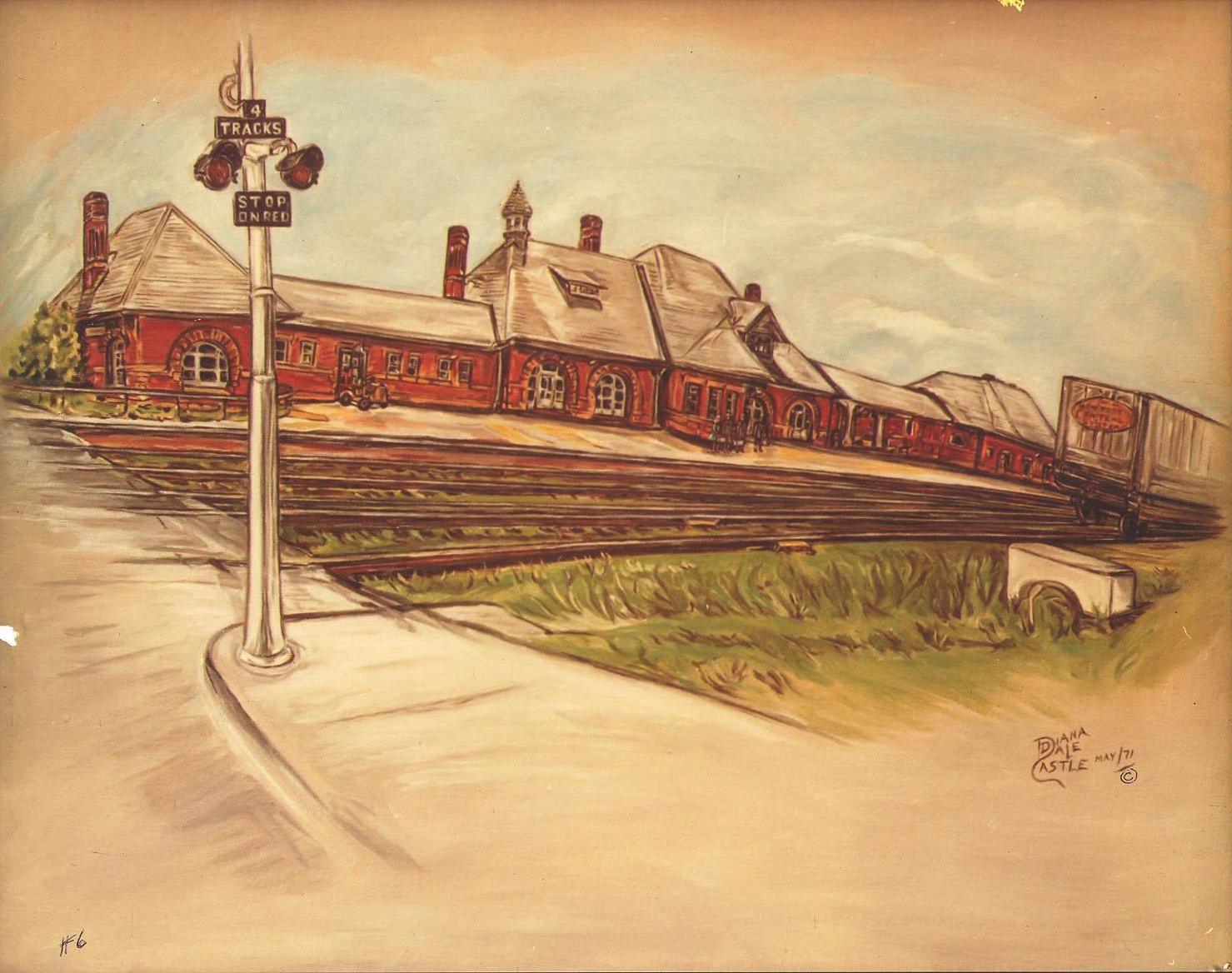
Here is a painting my mother-in-law did of the Whistle Stop. I apologize for the flaws in my copies on the computer for the next two photos.

The Whistle Stop  Kalamazoo

The Whistle Stop
Kalamazoo

And here is one she painted of the other train depot:

Train depot Kalamazoo

Train depot
Kalamazoo

OK, dad correct me if I made any mistakes!

What does the date on the photo of Frank Tazelaar say? Is it 1904 or 1914?

Be sure to note the type of rig he was driving, the dog, and his clothing compared with the men up on the roof. What is that pole thing coming down from up there? What do you think Gaslight means? The mark (pencil or crayon?) going through the photo wasn’t noticeable until my daughter scanned it. And thanks to Amberly at The Genealogy Girl she is scanning into .tif files.

Enhanced by Zemanta

Read Full Post »

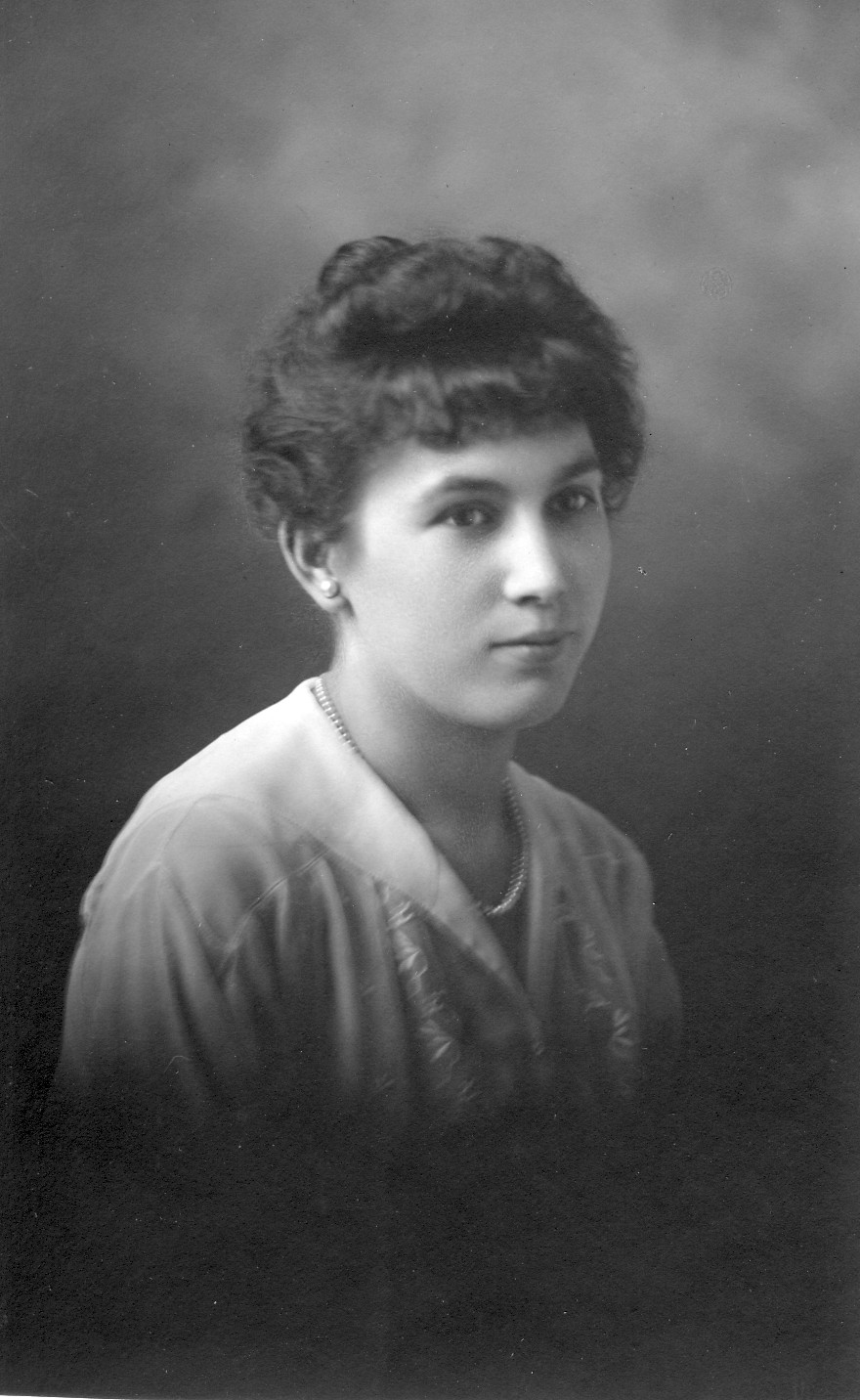
Identifying the Klein sisters and others in the family photos on my dad’s side of the family is very difficult. It’s particularly difficult when sisters look very similar. So maybe you can help me?

To remind you, this is my dad’s Aunt Elizabeth.

Here is a photo of my grandmother:

Although my grandmother kept her long hair to a much later date than Elizabeth did, the picture of Elizabeth above with short hair was taken later. So I don’t want you to be swayed by the hair.

Which woman do you think is in the following photograph?

OK, here’s another one.

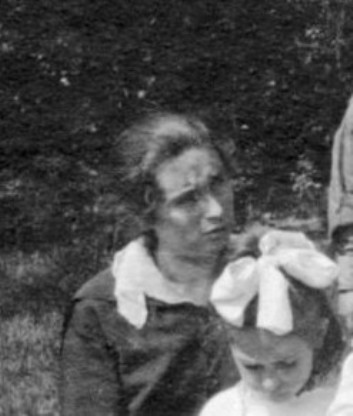
The above photo is the Van Gessel children again.  Which woman is this? Here she is in a close-up.

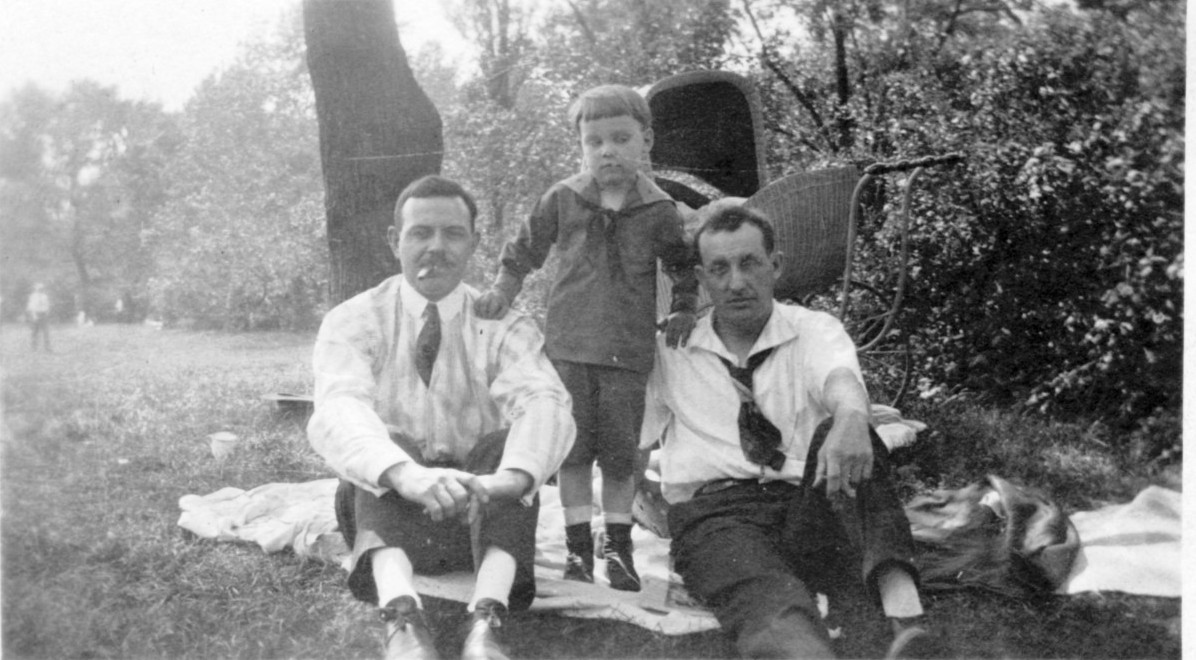
The man appears to be a friend of Peter’s.  How do I know that?  See below.

This photo of the two men with the boy was taken at the same picnic as the previous picture.

Now here are the two women together, but unfortunately, Grandma is looking down so you can’t see her face.

For fun, here is another Van Gessel photo.

That’s Grandma with her brother-in-law Peter Van Gessel.  The photo is around 1921.

Here is another question. How do we identify the building in the background of this last photo?

Read Full Post »

Back in October I mentioned that thanks to meeting Adri van Gessel, an amateur genealogist who lives in the Netherlands, through this blog, I learned of an astonishing connection or coincidence in my family.  Adri first read my post, “Another Sailor in the Family,”  about my father’s uncle, Frank Klein.

I have been concentrating on my mother’s relatives on this blog. They are primarily of Dutch ancestry, mainly from Goes, a city in Zeeland, or the surrounding area. Before you read this blog, had you heard of Goes? Probably not, unless you’re Dutch. My mother’s father grew up in Kalamazoo, Michigan, and her mother in Caledonia, Michigan. Kalamazoo and Caledonia are in different counties. It was quite the coincidence to learn that their relatives came from the same place in Europe.  Last spring I discovered that my grandparents, in fact, had an ancestor in common.

But my father’s family was in the Chicago area, and they weren’t Dutch, and there should have been no connections. My father and mother met when my father chose to attend Western Michigan University, which is located in Kalamazoo.

Imagine my surprise when Adri contacted me, and I learned that I have another connection to Goes through my father’s aunt, Elizabeth Klein. The grandfather of her husband, Peter Van Gessel, came to the United States (Grand Rapids, Michigan–same county as Caledonia!)  from a little village near Goes!

Is that not the wildest coincidence?!

Elizabeth was the oldest of my great-grandparents’ five children.  She was born in 1891 in Budesheim, Germany, outside of Bingen on the Rhine. Elizabeth married Peter Van Gessel, and they had seven children. Unfortunately, Elizabeth passed away in 1926 of “Edema of lungs due acute debilitative heart. CONTRIBUTORY:  Chronic myocarditis under my [doctor’s] care for 2 years.”

Elizabeth was about 34 when she passed away in 1926. Her youngest child was born in 1923, and according to the death certificate, she had been treated for myocarditis since her youngest was a baby. Since myocarditis typically is caused by bacteria or a virus, I wonder if his birth had anything to do with it.

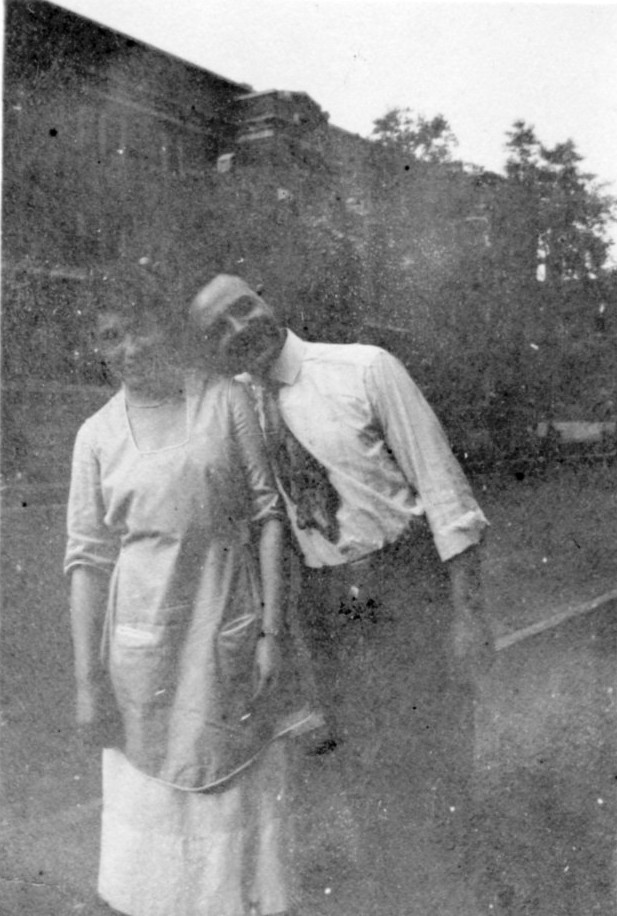
I have photos of Peter and the Van Gessel children, but I wasn’t sure which woman in the family photos was Elizabeth. Nobody who knew her in person is still alive. But after studying the photographs and the contexts and ages of the children, and then asking my father and my uncle what they thought, it seems clear which woman is Elizabeth.

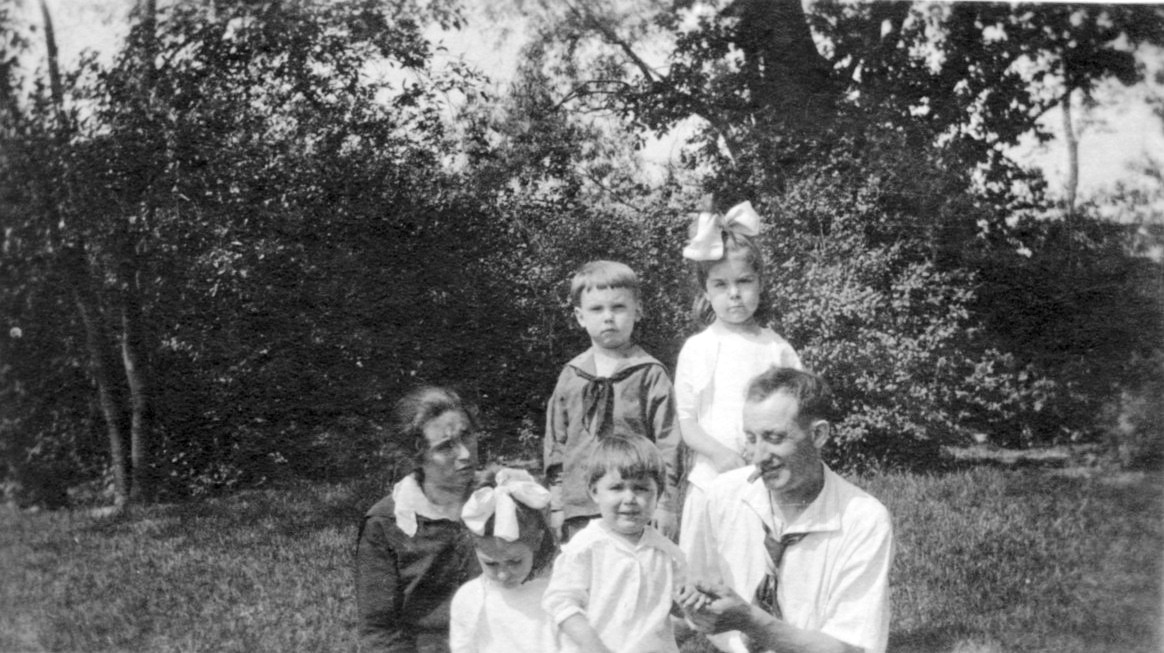
In the photo above, Elizabeth is the woman in the back, not the woman in front. That one is Aunt Anna, the sister one year younger than my grandmother–the 3rd sister. The two or three of the children belong to Elizabeth.  Notice how Elizabeth’s daughter, probably Colleta (maybe Josephine), has the same haircut as her mother.

Here is the same photo focusing on Elizabeth.

This photo was probably taken at the same time. Seated, holding the little boys, are Helen, my grandmother’s youngest sister, and an unidentified woman, probably a friend or neighbor. Anna is most likely taking the photo. Nobody looks very happy in this one!

Picture 610Does Colleta look about 11 or 12? If so, these boys would have to be either Robert and Laurence, the two youngest, or Robert (on Helen’s lap) and a child of the other woman. The thing with Robert is that he, unfortunately, passed away just short of 3 years old–of acute bronchitis. He was treated by the doctor for five days before he passed away.

Two years after her little boy died, Elizabeth also passed away.

So who is in the photo above and what year might this be?  The back row is Helen, Marie (my grandmother), Elizabeth, Margarethe (their mother), Peter Van Gessel.  In the front row is Frank (their father) and the Van Gessel children–Frank and Margarethe’s grandchildren. Anna, the other sister, is probably taking this photo.

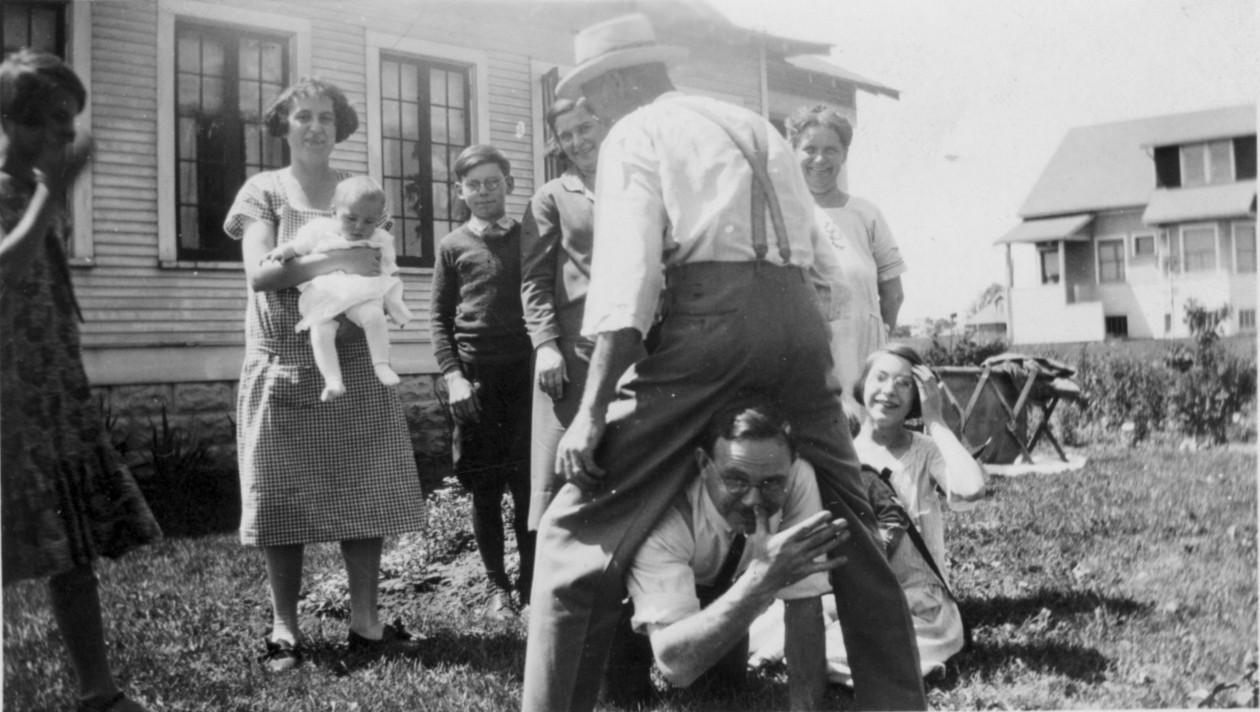
Notice Peter: he had quite a sense of fun and joking.  Here’s another:
That’s Anna holding the baby. Peter (the oldest son of Elizabeth and Peter) is the boy standing, wearing glasses.

I am having a difficult time dating the photos based on the ages of the children.

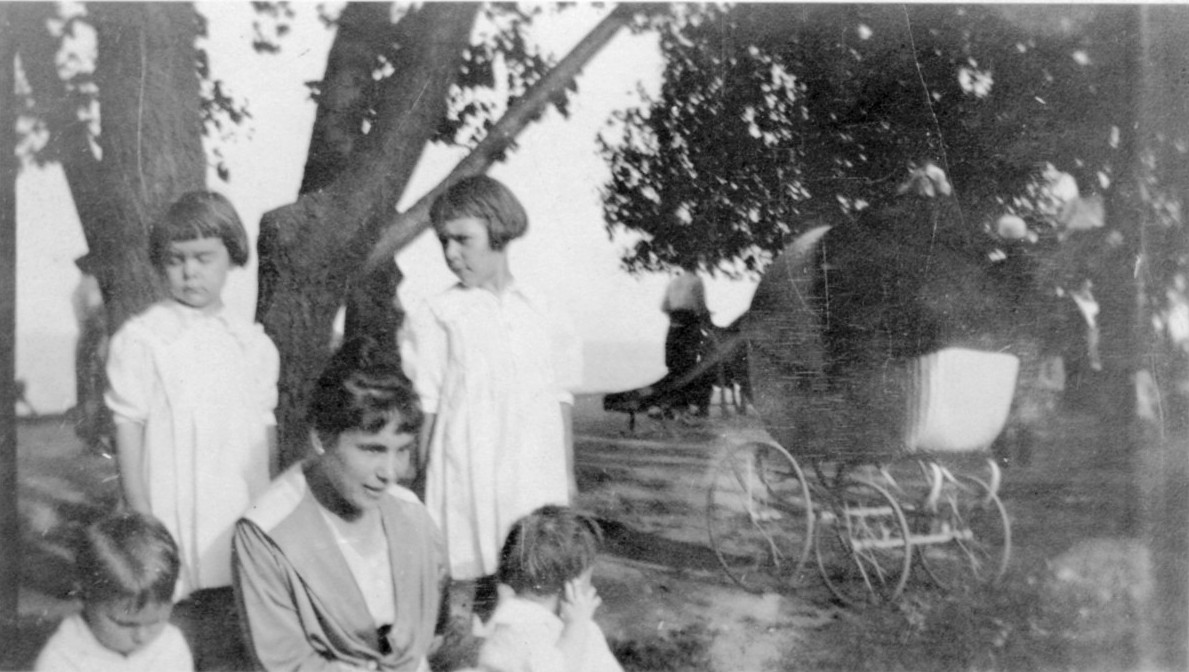
Here is a photo where I feel confident, and so does Adri. It shows the 4 oldest Van Gessel children: Colleta, Josephine, Peter, and Elizabeth. Grace is probably the baby in the carriage. I’m actually not sure if the woman is Elizabeth or my grandmother. This photo would have been taken somewhere between 1917 and 1920. I think Elizabeth would have still had long hair at this early date.

Here is a photo of the four oldest children when they are older than the above photo: Colleta, Josephine, Peter, and Elizabeth.  I’m guessing this one to be around 1922.

A lucky happening is that, through Adri, I have “met” and been in contact with one of my Van Gessel cousins, the daughter of Laurence, the youngest Van Gessel child. Like me, she loves animals and likes to write.

Read Full Post »

Let’s take a short break from my mother’s family and jump over to my father’s family.  My father’s mother Marie was the Head Fitter of the 28 Shop at Marshall Field’s flagship store in Chicago for years and an artist with a needle.

From the time I was born, Grandma sewed me beautiful dresses. But I first paid attention to her sewing on Christmas the year I was four. As we opened gifts, Grandma leaned down toward me, with her pearls swinging, and handed me a huge box.  The blue eyes of a doll my size stared back at me when I pulled up the lid.  I named her Bonnie, after one of my favorite records, “My Bonnie Lies Over the Ocean.”

Grandma handed me another large, but more beautifully wrapped, box.  I untied the grosgrain ribbon and discovered she had sewn an array of beautiful dresses trimmed in selfsame bows and flowered beads.  The beret Grandma created for Bonnie matched the pink satin-lined pale blue velvet coat.

Bow on back of Bonnie's velvet coat
Bow on back of Bonnie’s velvet coat
Pearl button closures on Bonnie's velvet coat
Pearl button closures on Bonnie’s velvet coat

When I was eight, Grandma sewed me a glorious trousseau of clothes for the imitation Barbie (Miss Suzette) my parents had given me.  My doll didn’t have the requisite zebra-striped swimsuit or the Enchanted Evening gown and fur stole, but she had a copper satin cocktail sheath covered with a copper rose point lace outer skirt.  Both were trimmed in copper seed beads.  The wedding dress of white satin was heavily beaded with real seed pearls. A lace trimmed slip fit underneath and the veil was matching lace and beaded with the pearls.  I looked for stitches to see Grandma’s tricks, but they were invisible as all good magic.

When I was away at college, my mother gave the Barbie clothes away. While Bonnie has always sat on a chair in my bedroom, for a long time I kept Bonnie’s clothes in a small suitcase in my closet, away from dust and sunlight, and reveled in the knowledge that I had preserved these treasures.  After moving to my last house, I decided to put them away more securely.

Then I forgot where I put them! For years I thought they were lost. Finally, last year, I found the clothing. The only piece missing is the velvet beret.  All I have left of the Barbie clothes are the memories as I don’t have a photo of them.

All these years later, my parents have given me my grandmother’s German porcelain doll and the clothing Grandma made for her.

This slideshow requires JavaScript.

These doll clothes represent all the beautiful clothing my grandmother designed and sewed over the years. Clothing, Art really, which is long gone.

Read Full Post »

I’ll pick up Grandpa’s story again in my next post.

Today I’m doing a little detour away from Kalamazoo, heading toward Japan, Chicago, and Elmhurst, Illinois.

My parents gave me a pair of matching and beautiful Japanese vases which are family heirlooms. I used to see them in my paternal grandmother’s home when I was little. In later years, my parents displayed them in their home. I had assumed (you know about that word, right?) that my father or my uncle had brought them back from Korea or Japan when they were in the military.

Look closely at the fine gold leaf design in the solid black. Vase is hand-painted.

In my birthday card was a note which explained that these vases had belonged to my grandmother’s mother. Her son, my father’s Uncle Frank, had brought them back from Japan in 1920 and given them to his mother.

Frank Klein was a merchant mariner who travelled the world, including to Japan, during the years right after WWI.  Maybe this is where my Uncle Frank, Great Uncle Frank’s namesake, got his idea of sailing when he enlisted in the U.S. Navy.

I believe Great Uncle Frank may have been on a ship called the Eastern Queen as we have several family photos of that ship. This ship does show up in online lists of ships.

I also have information that he travelled on a ship called the Altamahan in 1922. I tried to find this ship, but all I could find was the Altamaha, which was built in 1941.

Until I saw his picture a few years ago, I didn’t realize Great Uncle Frank existed. After I learned about him, I wanted to know more, so I wrote to both the U.S. Coast Guard and the National Archives and Records Administration, searching for his Merchant Marines record. The Coast Guard couldn’t help, but the NARA found a record for Frank. They gave me some preliminary information and then suggested I do more research on the premises in Washington D.C. Here are a few things I learned from the records they sent me:

  • He was issued a license for “steam. 2d Ass’t.Eng.,3000 G.T., 3d Ass’t.Eng., any tons, condg.” at Cleveland, Ohio, on September 5, 1918, for “Ocean” waters.
  • He was issued another on September 5, 1919.
  • He was 22 on June 14, 1918.
  • I have a headshot and thumbprint of Uncle Frank.
  • He was a citizen and born in the U.S.
  • A vessel he was on was the “Altamahan” with a U.S. Flag, which arrived on 3/5/19. His next vessel wasn’t yet known.
  • He was 5’9 with a dark complexion, brown hair, and gray eyes.
  • He had a physical mark: “Sc palm rt hd”–I take this to be that he had a scar on the palm of his right hand. On another page it is noted as 1/2 inch.
  • He was a 2d Engr.
  • On his application he marked his mother “Mrs. F. Klein” as his nearest kin. He gave 3 references, and one was his brother-in-law, Peter Van Gessel.
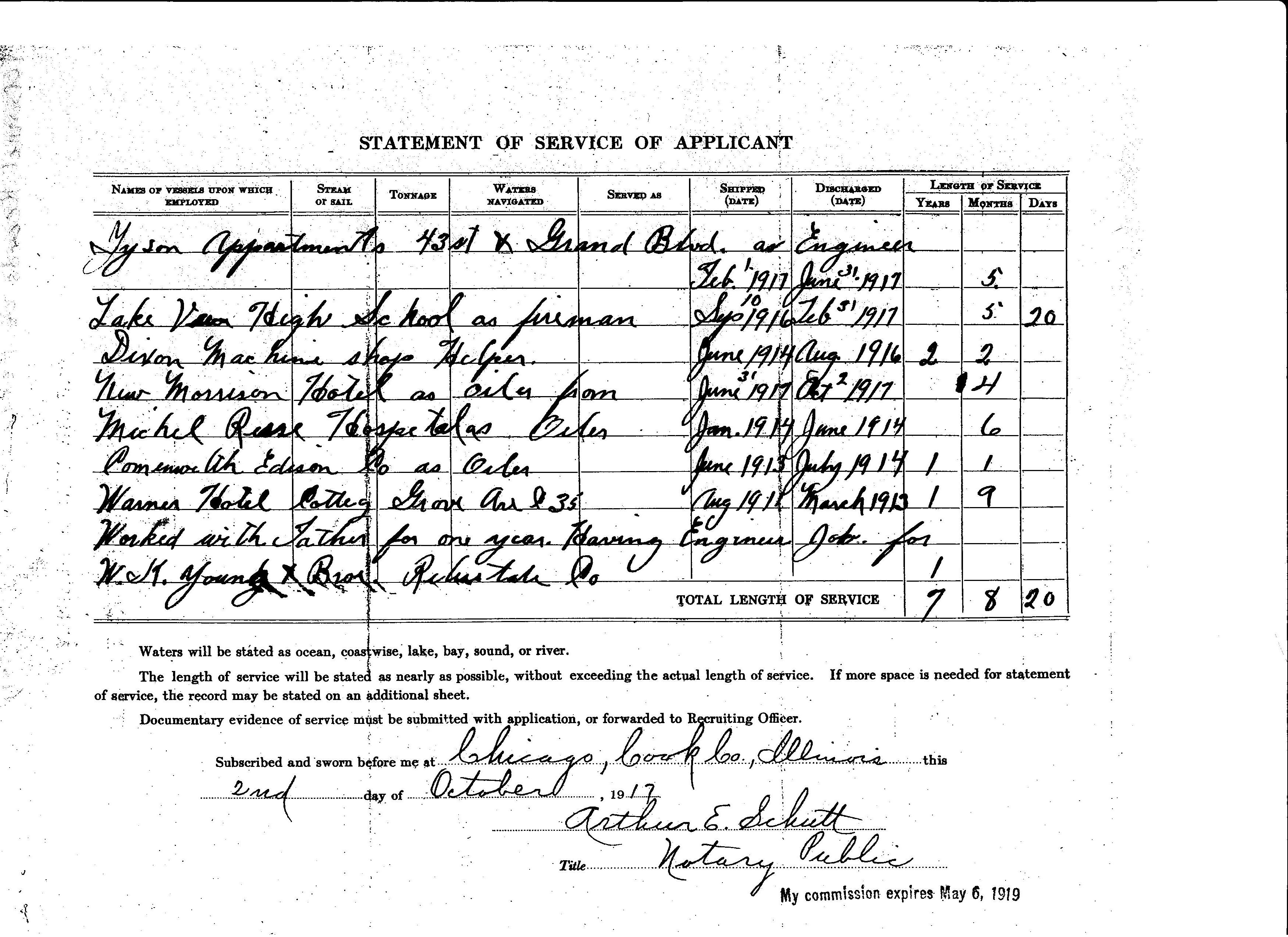
  • Best of all, he gave a work history for himself, which I will post here. Several jobs were as an “oiler.” According to Wikpedia, an oiler is a worker whose job is to oil machinery.

Here is a picture of Great Uncle Frank when he was home on leave:

Uncle Frank and Grandma Marie Klein c. 1920

Uncle Frank and Grandma Marie Klein c. 1920

Frank Anthony Klein on born in Chicago on June 14, 1896.  He grew up in Elmhurst and was the only boy. He had four sisters, including my grandmother.  Frank never married, but he was living with my grandmother and her family in Chicago when he was killed in a car accident in 1931.

According to his death certificate, this is how he died: “Fractured left mandible, compound fracture of left tibia and fibula, hemorrhage and shock  Deceased was driving his auto and suffered an attack of epilepsy seizure and struck a tree.” I suspect his parents were devastated by his death as he was the only boy and the second youngest. He was 34 years old. Fifteen months later, his mother passed away from cancer.

His death date is noted in official records as February 24, 1931, but his gravestone is marked with the date February 23, 1931.  Because he was buried in Elmhurst on February 25, I would deduce that February 23 was the correct date of death.

Read Full Post »

« Newer Posts